
A Tribute to
Channels
Festival
International Biennial of Video Art
Melbourne, Victoria · 2012 – 2019
Explore the Editions
About the Festival
Where Moving Image
Finds Its Stage
Channels Festival was Australia's only biennial festival dedicated entirely to contemporary video art and moving image culture. Born in Melbourne in 2012 as a non-profit organisation, it brought together local Australian and international artists through exhibitions, screenings, live performances, and public talks.
The festival explored how video art interacts with new and old technologies, social discourses, and the ever-changing digital landscape. Each edition asked urgent questions about the image, the screen, the body, and the world.
Channels was founded by artists Jessie Scott, Rachel Feery, and Eugenia Lim, united by a shared passion for video art and a commitment to building greater awareness of the form in Australia and beyond.
Founded by
Jessie Scott · Rachel Feery · Eugenia Lim
"Initiated on the basis of a mutual passion for video art and a commitment to building greater awareness and appreciation of the form."
The Editions
Four Festivals, One Enduring Vision
Each edition of Channels brought a new artistic director and a new lens through which to experience video art. Together they form a remarkable decade of moving image culture in Australia.

Inaugural Edition
The First Channels
Artistic Directors: Jessie Scott, Rachel Feery & Eugenia Lim
The inaugural Channels Festival arrived in Melbourne's art scene with a clear ambition: to represent the full breadth and depth of local and international practices operating within video art. Co-directed by the three founders, the 2013 edition was both a homecoming and a provocation.
The program drew together works that reflected on video art's rich history while looking squarely toward the future. Screenings were held across multiple Melbourne venues, from purpose-built black box spaces to pop-up outdoor projections in laneways and public parks. Performances blurred the line between live art and recorded image, and a series of public talks placed Australian artists in conversation with international practitioners.
The festival established its core commitment: video art is not a niche concern but a vital, expansive field capable of holding complexity, beauty, and dissent at the same time. Attendance exceeded expectations and confirmed there was a hungry audience for this kind of work in Australia.

Second Edition
Tech-Saturated Worlds
Artistic Director: Nikki Lam
With Nikki Lam at the helm, the 2015 edition dared to challenge video art's own historical context. The program asked: what does moving image mean in a world saturated by screens, platforms, and algorithmic flows? What is the difference between a video artwork and the deluge of video we encounter every hour?
Lam curated a program that leaned into the tension between art and tech, bringing together artists who worked with surveillance footage, social media archives, glitch aesthetics, and hybrid analogue-digital processes. Screenings moved between cinemas, converted warehouses, and gallery white cubes, each context reframing the works within it.
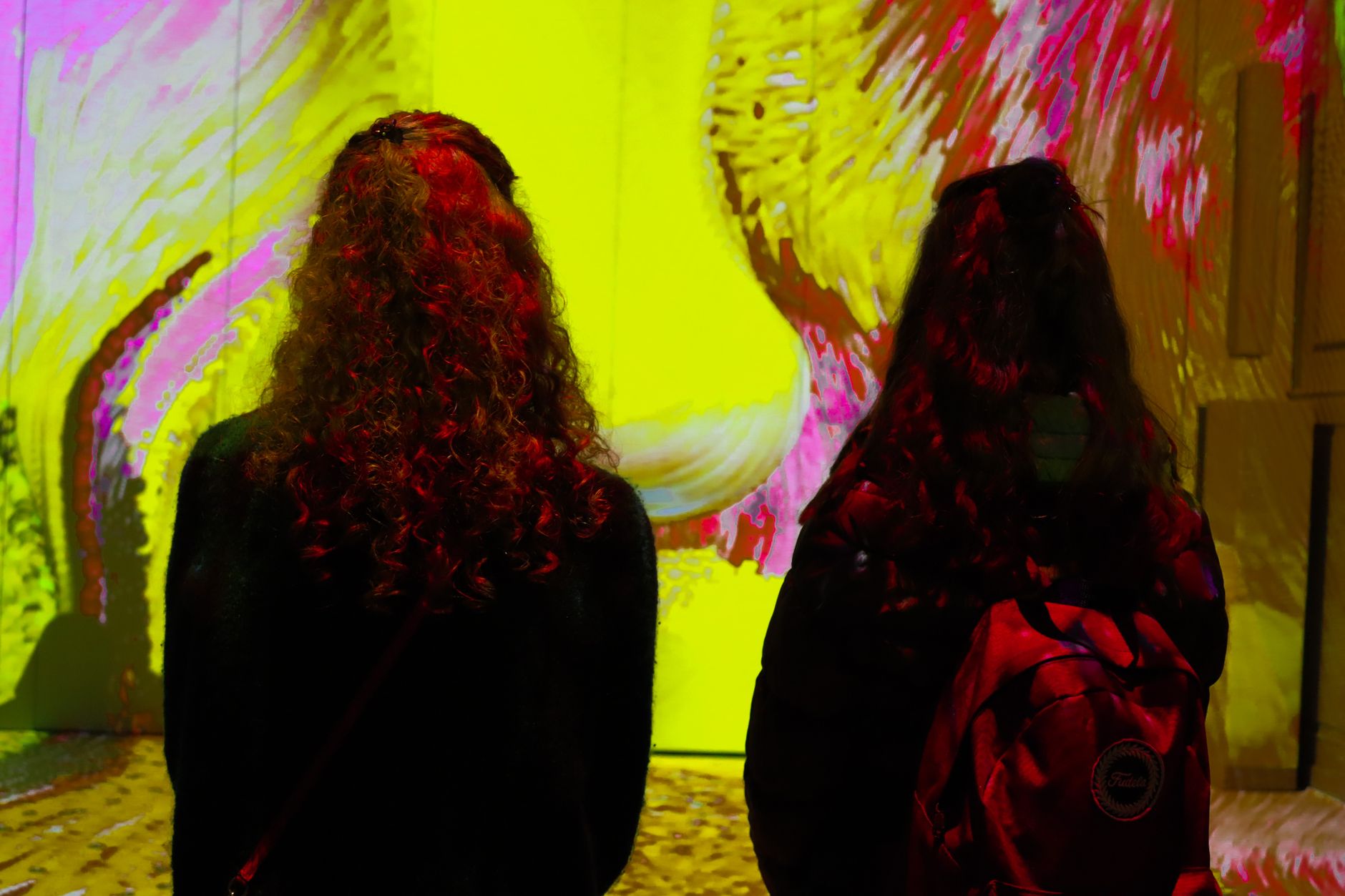
The 2015 edition introduced a dedicated performance program, with artists staging live video works, durational performances, and hybrid lecture-performances that blurred the roles of artist, educator, and activist. International artists joined Melbourne practitioners for a week-long program that felt both timely and urgent.
Public talks and symposia sessions attracted students, academics, and working artists, cementing Channels as an intellectual as well as aesthetic event.
Third Edition
Speculative Territories
Artistic Director: Alicia Renew
Alicia Renew's 2017 edition arrived at a moment when speculation had never felt more necessary. The festival explored speculative narratives as a construct for mapping what she called "uncharted cultural territories, histories and futures." The program was expansive, strange, and deeply felt.
Artists from across Australia, South-East Asia, Europe, and the Americas contributed works that imagined altered futures, reclaimed buried histories, and proposed worlds otherwise considered impossible. Multi-channel video installations filled entire rooms with image and sound. Single-channel works were screened in tight, intimate spaces where the viewer had nowhere to look but the screen.
The 2017 festival introduced expanded cinema events, where live musicians performed alongside video works in real time, creating unrepeatable hybrid experiences. These performances attracted new audiences who may never have entered a gallery to see video art on its own terms.
A schools program brought secondary students to the festival, with artist-led workshops connecting the themes of speculation and futures to the students' own lives and communities. This initiative was widely celebrated and pointed toward new directions for the festival's public engagement.
Fourth Edition · Final Festival
Belonging, Complicity, Resistance
Artistic Director: Kelli Alred
The final edition of Channels Festival, in 2019, was its most politically charged. Artistic Director Kelli Alred presented a festival that sought to deconstruct notions of belonging, complicity, and resistance: asking audiences to examine their own positions within the systems and structures that shape contemporary life.
The program brought together artists whose work wrestled with colonialism and its afterlives, climate precarity, migration and displacement, and the intersections of race, gender, and power. Works ranged from single-channel videos of quiet, devastating intimacy to monumental multi-screen installations that filled entire floors of exhibition spaces.
A highlight was a series of durational screening events held across multiple nights, where audiences were invited to sit with a single work for extended periods of time, resisting the culture of the scroll. Artists and audiences stayed afterward for conversations that often ran past midnight, testament to the emotional and intellectual charge the works carried.
Channels 2019 also hosted an international symposium bringing together curators, critics, and artists from across the globe to examine the state of video art and the responsibilities of festivals in shaping the field. It was a fitting way to close a chapter: not with a full stop, but with an open question left ringing in the room.
The Legacy
What Channels Left Behind
Editions
Four festivals across seven years, each with a distinct vision and a distinct artistic director.
Artistic Directors
Jessie Scott, Rachel Feery and Eugenia Lim (inaugural), Nikki Lam, Alicia Renew, and Kelli Alred each shaped an edition.
Artists Presented
Local Australian and international video artists brought their work to Melbourne audiences across all four editions.
Years of Moving Image
From 2013 to 2019, Channels was the only festival in Australia entirely dedicated to video art and moving image culture.
The Work
Video Art in the Room


The Founders
Three Artists, One Idea
Channels Festival was conceived and brought into being by three Melbourne-based artists who believed Australia needed a festival that took video art seriously, on its own terms. Their founding vision guided every edition that followed.
Jessie Scott
Co-Founder & Co-Director, 2013
A Melbourne-based artist whose practice spans video, performance, and installation. Scott co-directed the inaugural 2013 festival, shaping its commitment to representing the full spectrum of contemporary moving image practice.
Rachel Feery
Co-Founder & Co-Director, 2013
An artist and producer whose commitment to moving image culture shaped the organisational foundation of Channels. Feery co-directed the debut edition and helped establish the festival's non-profit structure and community partnerships.
Eugenia Lim
Co-Founder & Co-Director, 2013
An artist of international standing whose work in video, performance, and installation has been shown across Australia and the world. Lim's curatorial sensibility and artistic profile were central to Channels establishing itself as a serious, internationally connected festival.
"Video art is not a niche. It is one of the defining art forms of our time. Channels existed to make that case, again and again, in rooms full of people who stayed to feel it."
Get in Touch
Contact
Channels Festival is no longer producing new editions, but this tribute site remains as a living archive. For enquiries about the festival's history, archive, or legacy, please reach out.
